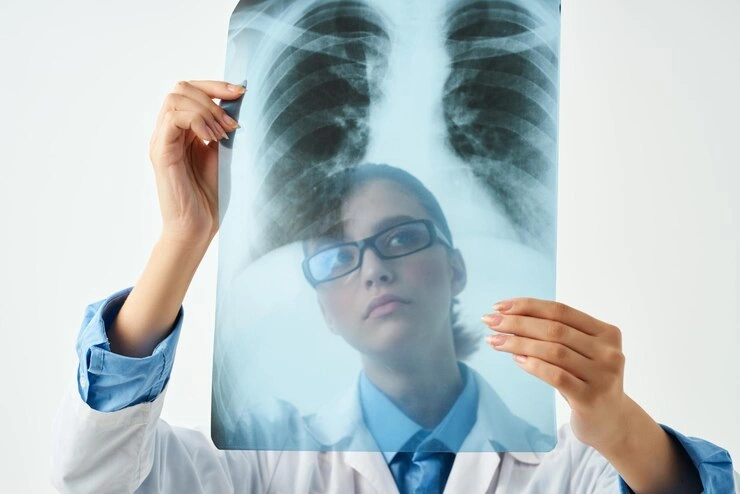
What Is the Respiratory System? The Importance of Healthy Breathing
The respiratory system is a vital part of the body responsible for taking in oxygen and removing carbon dioxide. This continuous process supports energy production at the cellular level and keeps all organs functioning properly. Maintaining a healthy respiratory system is essential for overall well-being and quality of life.
How Does the Respiratory System Work?
Breathing begins when air enters through the nose or mouth. It then passes through the pharynx, larynx, and trachea before reaching the lungs. Inside the lungs are tiny air sacs called alveoli, where oxygen enters the bloodstream and carbon dioxide is expelled.
- Nose: Filters, warms, and moistens incoming air
- Trachea (windpipe): Carries air to the lungs
- Bronchi: Distribute air within the lungs
- Alveoli: Enable gas exchange between air and blood
This process happens continuously to supply the body with the oxygen it needs.
Common Respiratory Conditions
Respiratory system disorders can affect breathing efficiency and overall health. Some common conditions include:
- Asthma
- Bronchitis
- Pneumonia
- Chronic obstructive pulmonary disease (COPD)
- Allergic respiratory conditions
These conditions can vary in severity and may require proper monitoring.
Symptoms to Watch For
Respiratory issues may present with the following symptoms:
- Shortness of breath
- Persistent cough
- Wheezing
- Chest tightness
- Fatigue
If these symptoms continue or worsen, professional evaluation may be necessary.
Tips for Maintaining Respiratory Health
Healthy habits play a key role in supporting lung function:
- Spend time in clean, well-ventilated environments
- Avoid smoking and harmful fumes
- Exercise regularly
- Maintain indoor air quality
- Support your immune system
These steps help keep the respiratory system functioning efficiently.