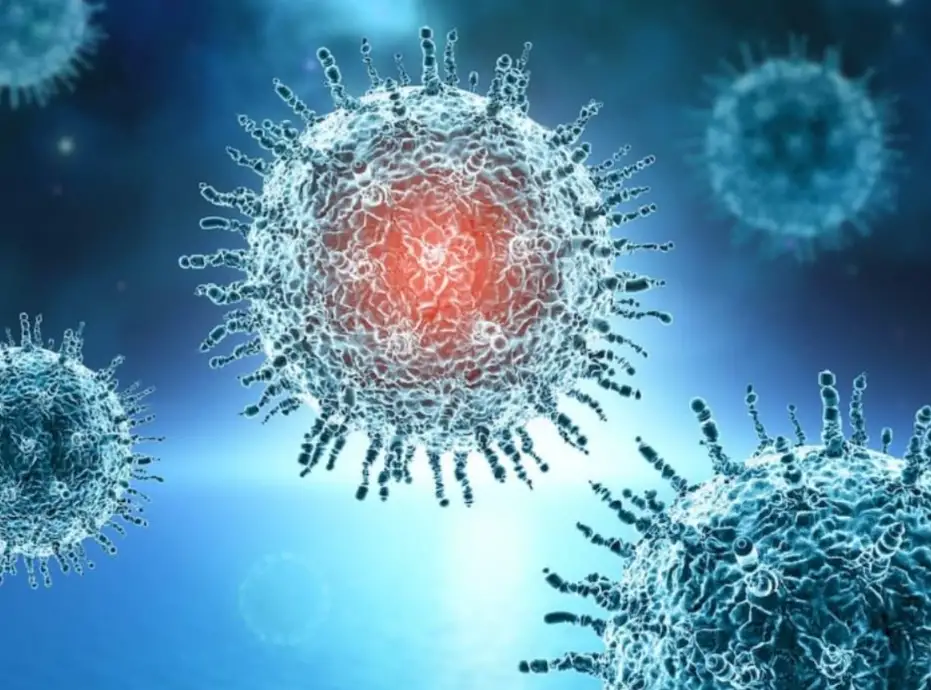
What Are Infectious Diseases? Overview and Prevention
Infectious diseases are illnesses caused by microorganisms such as bacteria, viruses, fungi, or parasites entering and multiplying in the body. These conditions can range from mild to severe and may spread from person to person or through environmental sources. The immune system plays a key role in defending the body against these harmful agents.
How Do Infections Spread?
Infectious diseases can be transmitted in several ways:
- Respiratory transmission: Through droplets released by coughing or sneezing
- Direct contact: Touching infected individuals or contaminated surfaces
- Food and water: Consuming contaminated food or unclean water
- Blood and bodily fluids: Exposure to infected materials
Understanding these transmission routes is essential for effective prevention.
Common Types of Infectious Diseases
Some of the most frequently encountered infectious conditions include:
- Upper respiratory infections
- Influenza (flu)
- Urinary tract infections
- Skin infections
- Gastrointestinal infections
Early recognition often helps limit their impact and spread.
Symptoms to Watch For
Symptoms can vary depending on the type of infection, but commonly include:
- Fever
- Fatigue
- Muscle and joint pain
- Cough or sore throat
- Diarrhea or digestive discomfort
If symptoms persist or worsen, professional evaluation is recommended.
How to Prevent Infections
Simple daily habits can significantly reduce the risk of infection:
- Wash hands regularly and properly
- Maintain good personal hygiene
- Eat a balanced diet to support immunity
- Be cautious in crowded environments
- Consume clean water and safe food
These practices help protect both individual and public health.