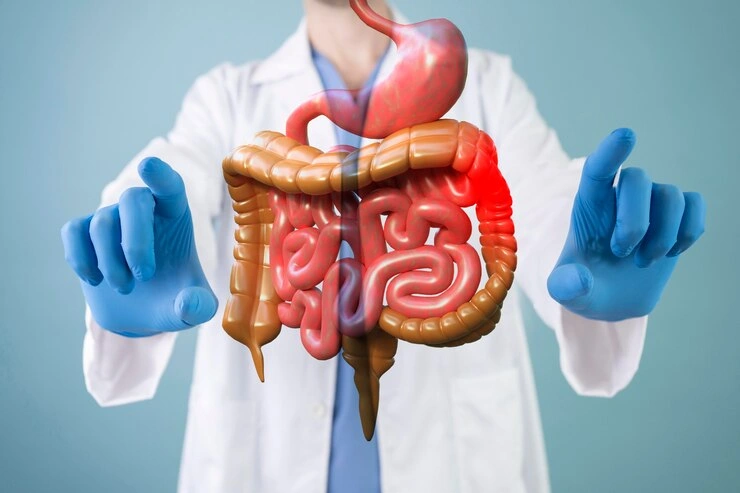
What Is Gastroenterology? Understanding Digestive System Health
Gastroenterology is the branch of medicine that focuses on the digestive system and its functions. This system includes the esophagus, stomach, small intestine, large intestine, liver, gallbladder, and pancreas. It plays a crucial role in breaking down food, absorbing nutrients, and eliminating waste from the body.
How Does the Digestive System Work?
The digestive process begins in the mouth, where food is chewed and mixed with saliva. It then travels through the esophagus to the stomach, where it is further broken down. From there, it moves into the small intestine, where nutrients are absorbed into the bloodstream. The remaining waste passes into the large intestine and is eventually expelled from the body. Organs like the liver and pancreas support this process by producing essential enzymes and digestive fluids.
Common Gastroenterological Conditions
Digestive system disorders can vary in severity and impact daily life. Some of the most common conditions include:
- Acid reflux
- Gastritis
- Ulcers
- Irritable bowel syndrome (IBS)
- Constipation and diarrhea
- Fatty liver disease
These conditions may cause discomfort and affect overall well-being if not properly managed.
When Should You See a Specialist?
You should consider consulting a specialist if you experience persistent symptoms such as:
- Ongoing stomach pain
- Bloating or indigestion
- Difficulty swallowing
- Unexplained weight loss
- Changes in bowel habits
- Unusual stool color
Early evaluation can help identify underlying issues and prevent complications.