What Is Endocrinology? The Importance of Hormonal Balance
Endocrinology is the branch of medicine that focuses on hormones and the glands that produce them. Hormones regulate many essential functions in the body, including growth, metabolism, energy balance, reproduction, and mood. Maintaining proper hormonal balance is crucial for overall health and well-being.
How Does the Endocrine System Work?
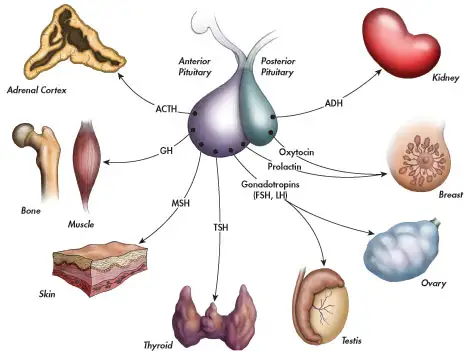
The endocrine system works through a network of glands that release hormones into the bloodstream. These hormones travel to target organs and tissues to regulate various bodily functions. Key components of the endocrine system include:
- Pituitary gland: Acts as the control center for hormone production
- Thyroid gland: Regulates metabolism and energy use
- Pancreas: Helps control blood sugar levels
- Adrenal glands: Manage stress response and hormone release
- Reproductive glands: Influence sexual development and function
A proper balance among these glands ensures the body functions smoothly.
Common Endocrine Disorders
Disruptions in the endocrine system can lead to a range of health conditions, such as:
- Diabetes
- Thyroid disorders (hypothyroidism and hyperthyroidism)
- Hormonal imbalances
- Obesity and metabolic issues
- Polycystic ovary syndrome (PCOS)
These conditions often require long-term monitoring and lifestyle management.
Symptoms to Watch For
Hormonal imbalances may present with various symptoms, including:
- Sudden weight changes
- Persistent fatigue
- Increased thirst or frequent urination
- Hair loss
- Mood changes
If these symptoms persist, further evaluation may be necessary.
Tips for Maintaining Hormonal Health
Supporting the endocrine system involves healthy lifestyle choices:
- Maintain a balanced and nutritious diet
- Stay physically active
- Get adequate and consistent sleep
- Manage stress effectively
- Schedule regular health check-ups
These habits help keep hormone levels stable and support overall health.