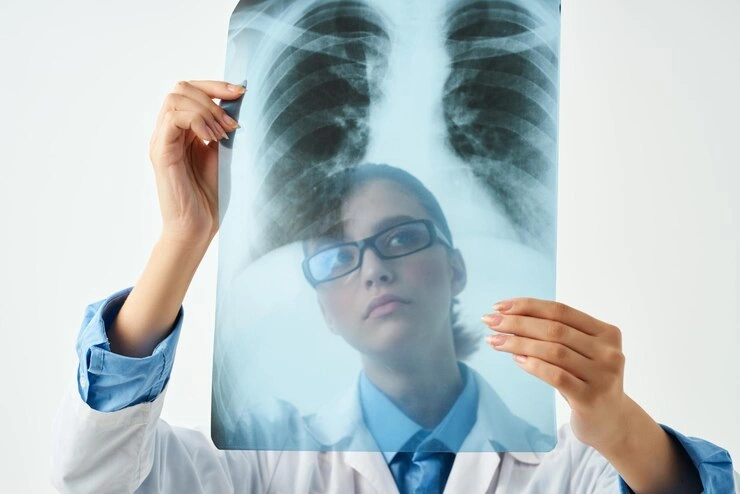


Pneumonia, often referred to as "zatürre" in Turkish, is an infection in the lungs typically caused by infectious agents such as bacteria, viruses, or fungi. This infection leads to the accumulation of fluid or pus in the air sacs (alveoli) of the lungs, which can affect respiratory function.
Symptoms of pneumonia may include fever, cough (sometimes with production of phlegm), shortness of breath, chest pain, and chills. Symptoms typically vary depending on the type and severity of the infection and the individual's health condition.
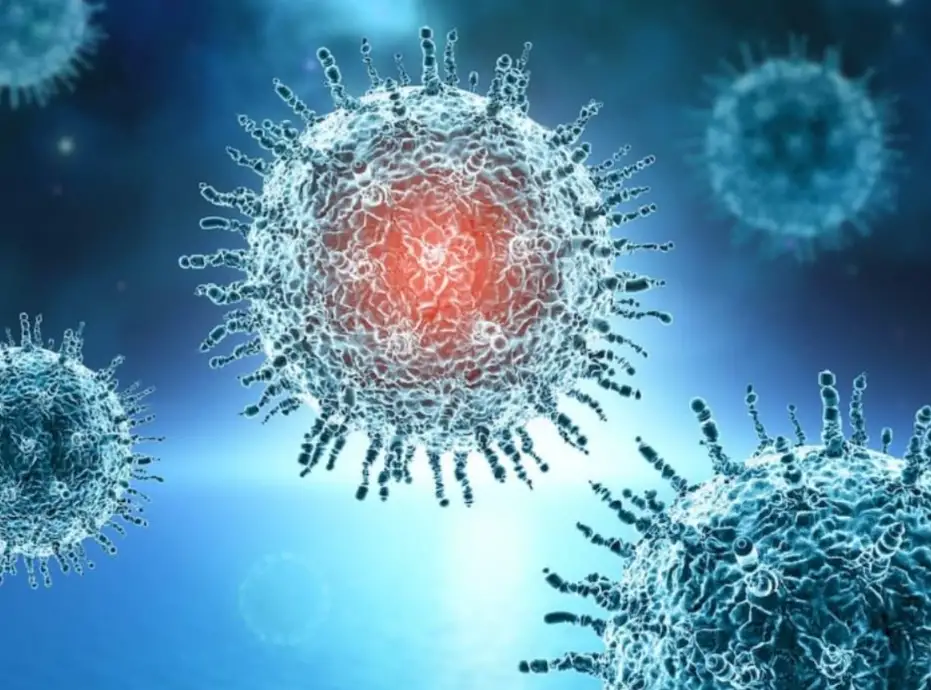
Pneumonia is commonly caused by bacterial or viral infections, although other factors such as fungi, parasites, or chemical agents can also be responsible. Certain populations, such as the elderly, children, immunocompromised individuals, and those with underlying health conditions, are more susceptible to pneumonia.
Pneumonia is usually a treatable condition, and treatment may include antibiotics, antiviral medications, symptomatic treatments, and rest, depending on the type and severity of the infection. In severe cases, hospitalization and supportive therapies may be necessary. Starting treatment early can reduce the risk of complications and speed up the recovery process.